Why Rotorua is the heart of Māori culture
The first time I searched “Māori cultural night Rotorua,” everything looked interchangeable—same haka photos, same hāngi promises, same “authentic” label. Rotorua earns its reputation partly because Māori culture is visible here in everyday ways (language, carving, community-led tourism), but the catch is that popularity also attracts slick, stage-forward versions that can feel more like a dinner show than a cultural welcome.
What makes Rotorua workable for a first-timer is density: you can fit a meaningful experience into one evening without a long detour. The constraint is choice overload—some operators prioritize performance and throughput, others slow down for context and tikanga, and you usually can’t maximize both in a single night. If you only have 1–2 days, your best decision isn’t “most famous,” it’s “most aligned with how you want to learn.”
Choosing the right cultural experience for you
I almost booked the first “cultural village + hāngi + haka” combo that fit my schedule—then noticed the pick-up time was 4:45 p.m., the show started early, and the return would cut straight through any chance of a relaxed lakeside dinner. That’s the first filter that actually matters in Rotorua: not which thumbnail looks most “authentic,” but whether you want your evening to be a set-piece production or a slower, hosted experience where questions aren’t treated like interruptions.
In practice, most options fall into three lanes. The large-night shows (often with buffet-style hāngi) are efficient and easy to book, but you’ll share the moment with a lot of people, which can make the welcome feel generalized. Marae-based or community-led visits tend to feel more relational and tikanga-forward, yet they’re less flexible—limited dates, stricter timing, and sometimes less hand-holding for first-timers. Daytime guided experiences (walks, geothermal context, carving/weaving demos) can be more “learning per hour,” but you may miss the emotional arc of an evening performance.
If “not too touristy” is your priority, look for small group caps, clear mention of hosts/whānau involvement, and time built in for kōrero rather than just a stage show. Book at least a day ahead in peak periods, and confirm transport early—out-of-town venues can be great, but rideshares aren’t always a clean Plan B.
What happens at a pōwhiri and cultural show
I hesitated at the entrance because everyone suddenly got quieter, and it wasn’t obvious where to stand—or whether pulling out a phone would be rude. A pōwhiri is a formal welcome, and even when it’s adapted for visitors, the rhythm can still feel unfamiliar: a call to begin, moments of stillness, then speeches and song that aren’t “for show” so much as setting a relationship in place. It works best when the hosts explain what’s happening as you go; when they don’t, first-timers can spend the whole opening worried about etiquette instead of listening.
Most Rotorua cultural nights then shift into a performance-and-storytelling arc: waiata (song), pūrākau (narratives), and haka in a sequence that builds intensity rather than staying at maximum volume the whole time. The constraint is pacing—bigger venues keep things tight to feed a room on schedule, so questions and nuance get squeezed.
Finally, the hāngi component is often the most “touristy-feeling” part if it’s buffet-style, even when the food is good. If you want cultural depth, prioritize experiences that frame the meal (what it is, why it matters) instead of treating it like the main event.
Hands-on experiences: carving, weaving, kai, haka
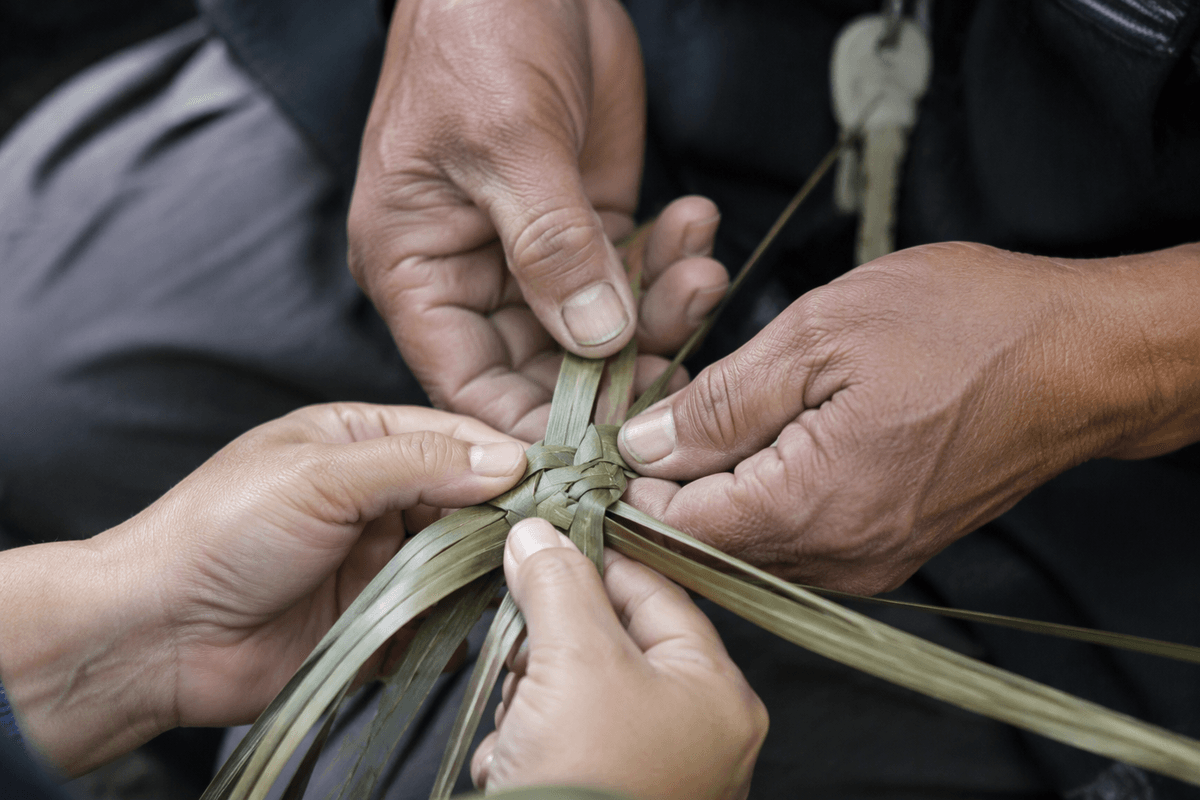
My most useful “authenticity test” in Rotorua wasn’t the haka at all—it was the moment someone put raw materials in front of us and asked us to slow down. Hands-on carving and weaving sessions tend to be quieter, and that’s exactly why they work: you get context, correction, and whakapapa (meaning) that a stage show can’t fit. The limitation is time; the better workshops run long enough to feel grounded, which can clash with a same-day geothermal loop or an early-evening pick-up.
Carving demos are often the easiest entry point if you’re worried about doing things wrong: you can observe first, then try simple patterns. Weaving can feel more intimate (and more frustrating) because your hands lag behind the explanation—great if you like learning-by-doing, less so if you’re tired or short on patience. For kai, look for experiences where the hāngi is explained and checked on, not just revealed at the end; it costs more, but it’s also where the “why” shows up.
If a session includes haka, expect participation to be optional but encouraged. It lands best in smaller groups where you’re coached, not herded—otherwise it can tip into awkwardness fast.
Visiting marae and behaving respectfully
I realized I was underprepared the moment we were asked to wait quietly outside the wharenui—no one said “line up here,” and it felt wrong to improvise. A marae visit isn’t just a venue choice; it’s a shift in who’s hosting whom, and that’s why it tends to feel less touristy than a big cultural night. It also means less flexibility: you follow the hosts’ timing, and if you arrive late (or wander off for a last-minute coffee), you can throw off the whole welcome.
Etiquette is mostly about attention and restraint. Let the group move together, and don’t sit on tables or lean on carved elements; even if nobody scolds you, it reads as careless. Photos are the biggest gray zone: some places allow them after the formal welcome, others prefer none inside, and a few are fine with quick shots as long as you ask first. When in doubt, keep your phone away until permission is explicit—missing one photo is easier than realizing you documented the one part that wasn’t meant to be “content.”
If you’re traveling as a couple or solo, the social pressure can feel higher because you can’t hide in a big crowd—but you’ll also get more guidance. The best hosts explain what to do without making you feel clumsy, and that’s usually a stronger authenticity signal than any brochure language.
Planning logistics: bookings, costs, timing, transport
I learned the hard way that Rotorua cultural nights don’t just “start at 7”: the pick-up can be an hour earlier, the venue might be 20–40 minutes out of town, and suddenly your whole afternoon gets boxed in. If you’re trying to fit this into a 1–2 day Rotorua sprint, decide first whether you want a day experience plus a free evening, or to commit the evening to a hosted schedule—trying to do both often turns into rushed geothermal stops and arriving flustered, which is the exact mood you don’t want for a pōwhiri-style welcome.
Booking is usually straightforward online, but the useful questions are logistical, not marketing: group size cap, how long the welcome/show runs before food, and whether transport is included or optional. Included coaches remove friction, but they also lock you into fixed times; self-driving gives you control, yet it’s a weak option if you’re planning a drink with dinner or you’re relying on patchy rideshares to get back. Costs tend to climb with smaller groups and more kōrero time, so if “not too touristy” matters, treat the higher price as buying breathing room, not just a better buffet.
Timing-wise, aim to arrive early enough to settle—being late doesn’t just inconvenience you, it can disrupt the hosts’ flow. And if you’re unsure about photos, ask at check-in before the formalities begin; it’s one small question that prevents an awkward moment later.
Leaving Rotorua with understanding, not just photos
On my last morning in Rotorua, I caught myself scrolling through last night’s haka clips and realizing they didn’t actually help me remember the names, the relationships, or even the order of what happened. Photos are easy; understanding takes a tiny bit of effort while you’re still there—asking how to pronounce one word correctly, writing down the iwi or hapū name your host mentioned, or noting what part of the welcome you weren’t meant to film. It’s a small constraint on your “vacation mode,” but it changes what sticks.
If you only have 1–2 days, choose one follow-up action that matches your comfort level: send a brief thank-you message if your operator makes that possible, buy one piece of work directly from the makers (not a generic souvenir rack), or simply leave a review that mentions what was explained well—not just “great show.” The most respectful version of “authentic” isn’t chasing the most exclusive experience; it’s letting the night reshape how you move through New Zealand afterward, even when nobody is watching.