The day-trip myth: what you miss in Nagasaki
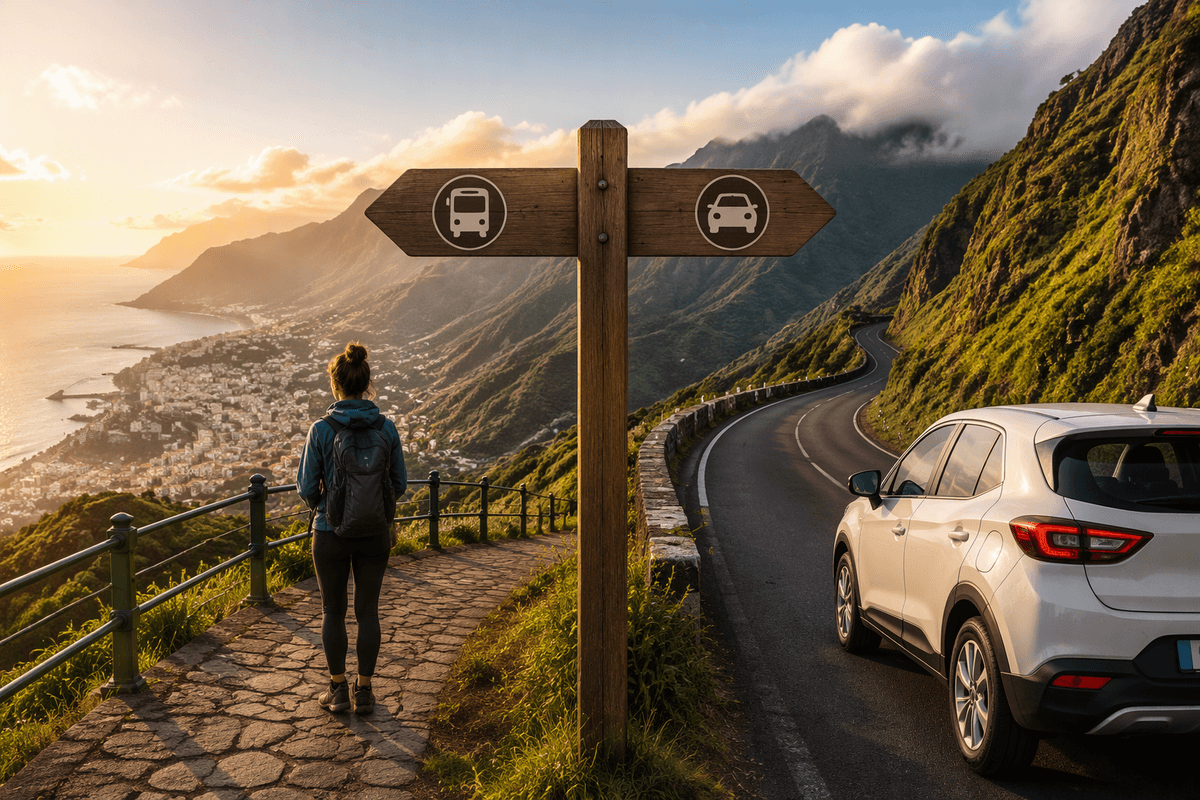
I almost booked Nagasaki as a clean “there-and-back” from Fukuoka—until I mapped the day with real clocks instead of vibes. Even if trains run smoothly, you’re still stitching together stations, trams, and uphill walks, and the city’s big stops aren’t clustered in a way that rewards speed. A day trip can work, but it turns into a checklist where the margins vanish fast: a late start, one missed connection, or a museum you don’t want to rush, and suddenly you’re choosing between history and food rather than getting both.
What an overnight quietly unlocks is the part that doesn’t fit on a timetable: evenings when the tram empties out, dinner that isn’t squeezed between closing hours, and neighborhoods that feel lived-in once the tour pace drops. Nagasaki’s heavier sites also land differently when you’re not watching the return train time the whole visit—there’s a real emotional fatigue factor, and trying to “power through” memorial museums and viewpoints in one compressed run can feel blunt, not meaningful. The extra night costs more, yes, but it often buys you something rarer on a 5–7 day Kyushu base: a day that feels like travel instead of transit.
Neighborhoods worth lingering in, beyond the highlights
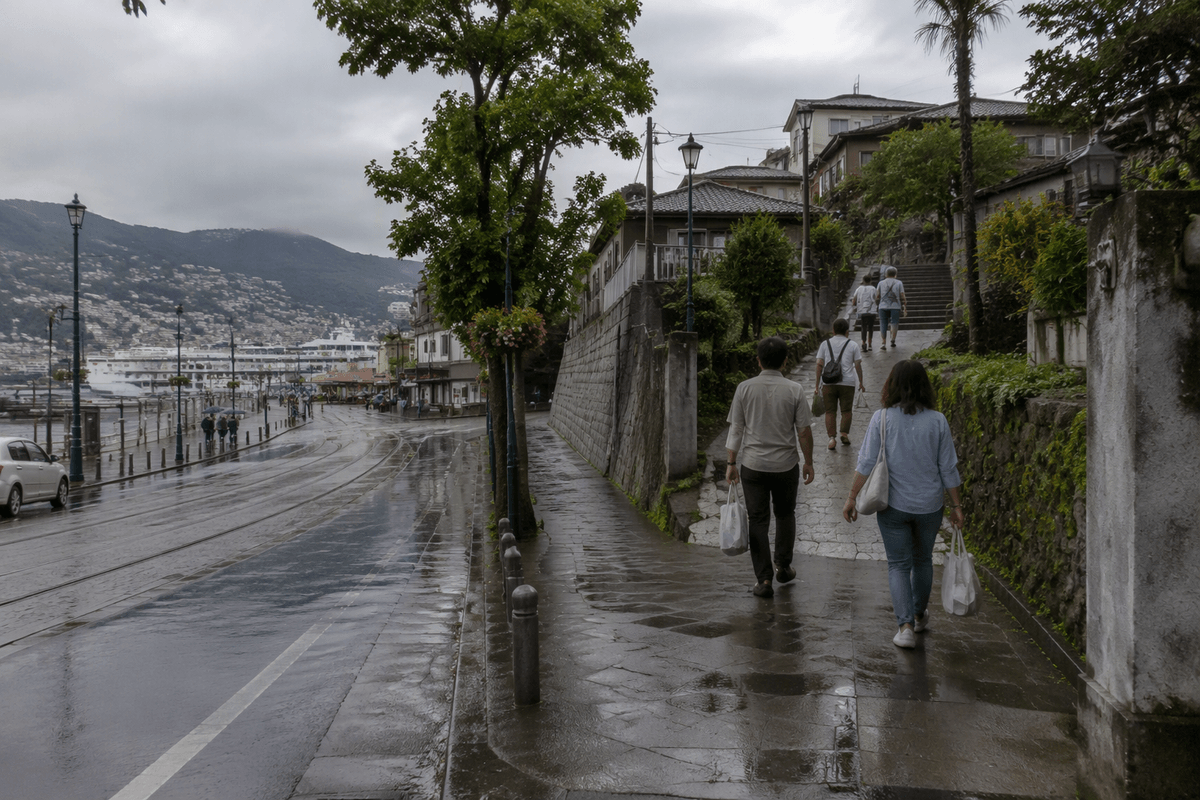
I realized the “doable” version of Nagasaki is really a map illusion: the tram makes things look close, but your time disappears in small transfers and slopes. If you only have a day, you’ll naturally pinball between the Peace Park area, Dejima, and a viewpoint—efficient, but it flattens the city into stops. Staying overnight lets you choose one neighborhood to move through slowly, which is where Nagasaki starts to feel less like a history assignment and more like a place people actually live.
For that, I’d pick either Dejima–Shinchi or Higashiyamate/Minamiyamate. Dejima–Shinchi works well when you want food and easy tram logistics: you can loop canals, Chinatown, and the waterfront without constantly climbing, but it’s also the most tour-shaped zone, so midday can feel crowded and a little samey. The hillside foreign-settlement streets are the opposite—quieter, more atmospheric, and better for lingering with coffee and views—but the stairs add up, and in bad weather those steep lanes go from charming to annoying fast.
If you’re debating one night, this is the practical filter: choose a base that matches your energy. When you’re museumed-out, flat neighborhoods keep the evening easy; when you want texture, the hills give it to you, but they charge interest in leg fatigue.
History with texture: layered stories, not just landmarks
I hit my first real pacing problem at the Atomic Bomb Museum: it’s not just the subject matter, it’s the way time expands once you’re reading closely. Trying to pair that with Peace Park, a quick tram hop to Dejima, and a dash to Glover Garden in the same afternoon sounds tidy on paper, but emotionally it can feel like you’re speed-running grief and then asking your brain to switch to “cute harbor photos.” If you only have a day, I’d choose one heavy-history block (museum + a slow walk outside) and accept you’ll skip something else.
What makes Nagasaki’s history feel layered—rather than landmark-by-landmark—is letting the stories bump into each other at walking pace: Dejima’s controlled trade, Chinatown’s different timeline, the hillside foreign settlement houses, then the postwar city below. The catch is that several of these places keep museum-like hours, so late arrivals get punished by closed doors. An overnight doesn’t add new “must-sees” as much as it lets you schedule the weightier sites earlier, then leave your evening for something lighter without feeling like you’re betraying the day’s tone.
Food and night views that require unhurried timing
I felt the day-trip clock most sharply at dinner time: you can either eat like you mean it, or you can make your return train—trying to do both turns food into a compromise. Nagasaki’s most satisfying meals (especially anything that involves a queue or a slower pace) don’t slot neatly between museum closing hours and a hard departure. Chinatown is convenient and fun for a quick bite, but at peak hours it can feel like you’re eating in a corridor of tour groups; if you want a calmer, better-paced dinner, you’ll be happier wandering a few blocks off the main strip and accepting that the “perfect” spot might require waiting.
Night views are similar: they reward patience more than planning. In theory, you go up, take the photo, go down. In practice, the timing can be fiddly—weather haze, wind, and crowd waves can make the first look underwhelming, and the better moment is often 20–30 minutes later when the city settles into its lights. That’s hard to justify when you’re watching the last connections back to Fukuoka. With even one night, the view stops being a checklist item and becomes an actual evening, which is exactly what Nagasaki tends to need.
Easy add-ons: islands, hot springs, coastal escapes
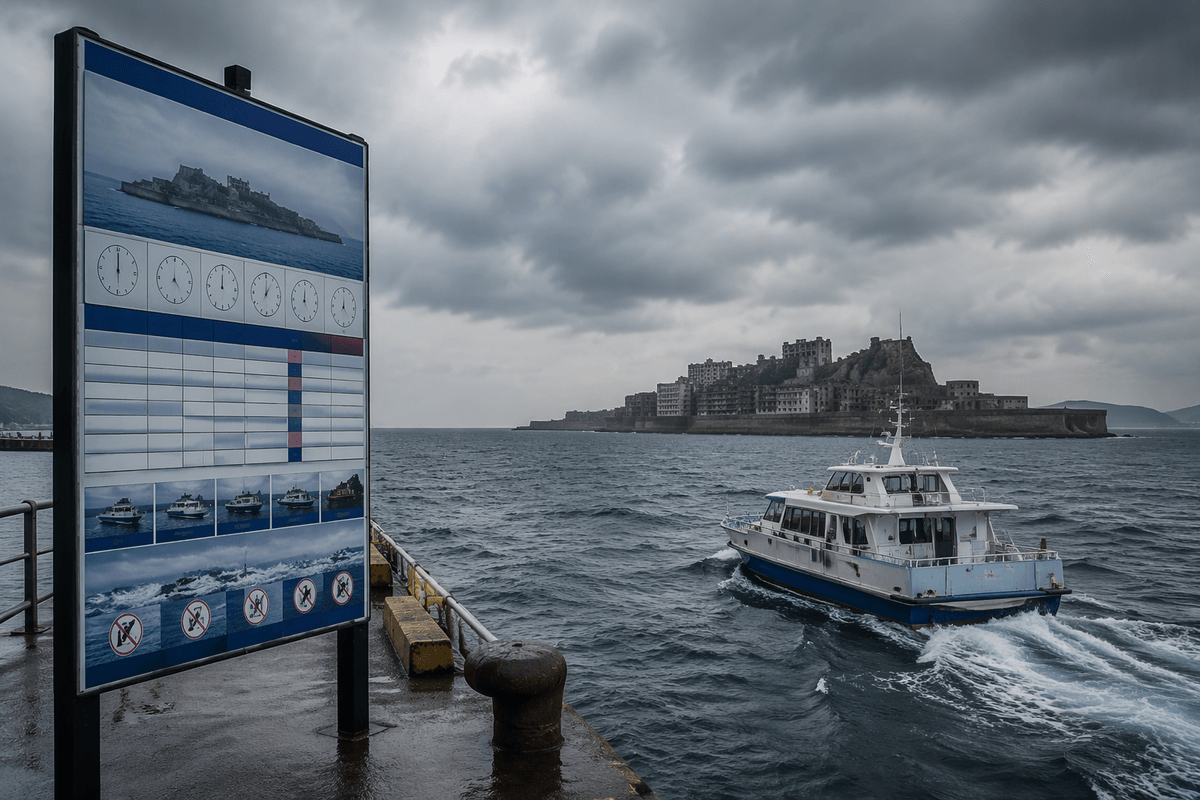
I kept thinking, “We’ll just tack on an island,” and then the ferry timetables made the decision for me. The easiest add-on from Nagasaki is Gunkanjima (Hashima), but it’s not a casual detour: tours run on fixed departures, the sea can cancel landings, and you can lose half a day even when everything goes right. If you’re only in town for a day trip, that kind of uncertainty is stressful; with an overnight, it becomes a reasonable morning plan because you’re not gambling your last train back to Fukuoka.
If you want something gentler, Iōjima (short hop from the city) is the “reset button” option—onsen and coastline without complicated logistics. It’s not a headline sight, which is exactly why it works after museum-heavy hours: you trade prestige for recovery and a slower dinner pace.
For a coastal escape that still feels like “Nagasaki,” Saikai/Ōmura Bay-side scenery is satisfying but transit-light only if you’re willing to rent a car; by public transport it can turn into a lot of waiting for a pretty view. This is where the extra night matters: it gives you permission to choose one add-on, not three half-add-ons that all feel rushed.
How long to stay, and who benefits most
I decided the length question by looking at what I’d hate to do on a stopwatch. If you’re the kind of traveler who’s fine picking one “anchor” (Peace Park/Atomic Bomb Museum or the port-history loop) and you don’t mind eating early and leaving before the city gets good at night, Nagasaki can be a day trip from Fukuoka—just expect more tram time and fewer open-ended moments than the map suggests.
One night is the sweet spot for most first-timers on a 5–7 day Kyushu base: it lets you front-load the heavier sites while your attention is fresh, then give yourself an evening that isn’t shaped by closing hours and return connections. It also reduces the emotional whiplash of bouncing from memorial rooms straight onto a train.
Two nights only pays off if you want an add-on with uncertainty, or you know crowds/queues and weather delays will frustrate you. If you’re still undecided: book one night, and give yourself permission to leave early the next day if you feel “done.”