Why Uji tea feels different
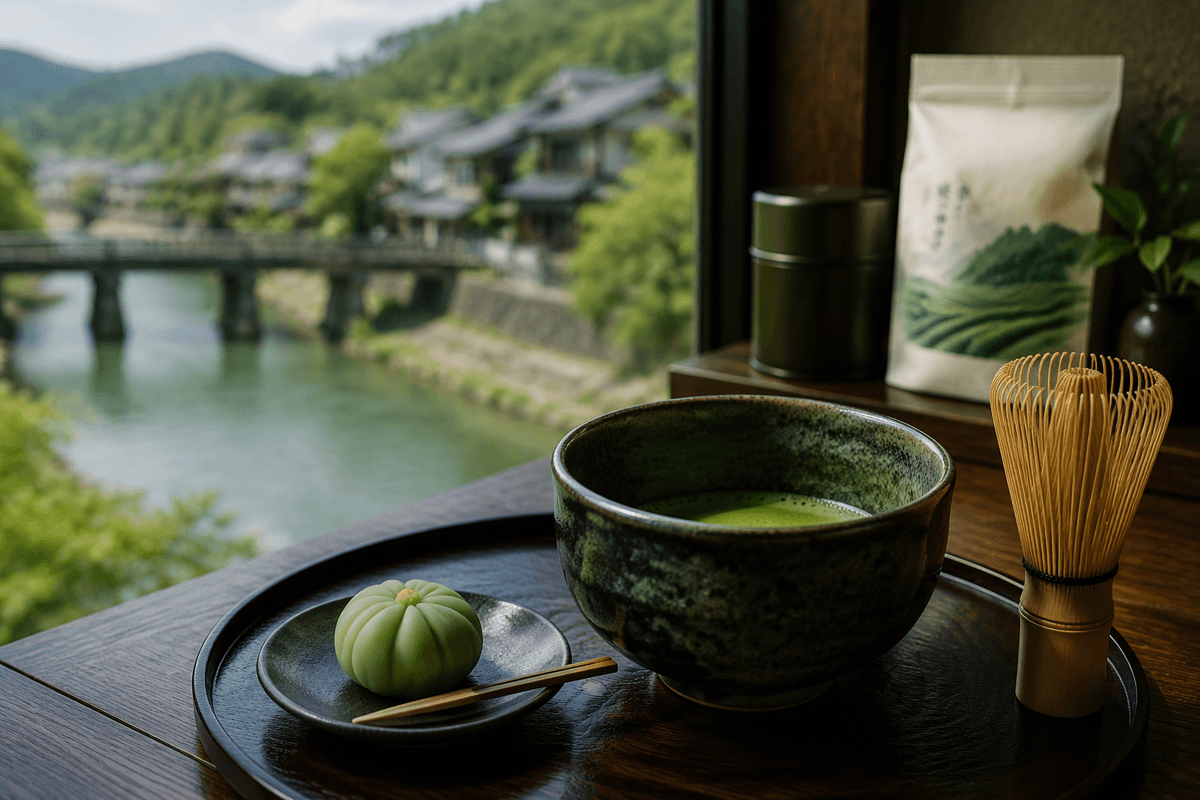
I noticed it before I even ordered: the aroma in Uji’s tea shops reads deeper and greener than what you usually get in central Kyoto—but it also comes with a small friction point. The most “obvious” storefronts near the river tend to move fast and cater to drop-ins, which is convenient if you’re tight on time, but it can blur the line between a quick matcha dessert stop and a real tasting.
What makes Uji tea feel different (in a practical, not romantic way) is how consistently producers here lean into shade-grown techniques for matcha and gyokuro, plus careful processing that preserves sweetness and umami. You’ll taste less sharp bitterness when it’s prepared well—but preparation is the catch. If a place is rushing bowls for a queue, water temperature and steep time slip, and the cup can flatten out. The more “serious” counter-style tastings take longer and may have limited seating, yet they’re the easiest way to understand why Uji’s reputation isn’t just branding.
Choose your tea experience style
The first decision in Uji is whether you want “tea as a flavor” or “tea as a process,” because they behave differently under crowd pressure. A matcha dessert café is the easiest win if you arrive late or miss a reservation window, but you’ll often wait in a visible line near the river and end up tasting sugar and dairy more than leaf quality—good for a reset, not for learning.
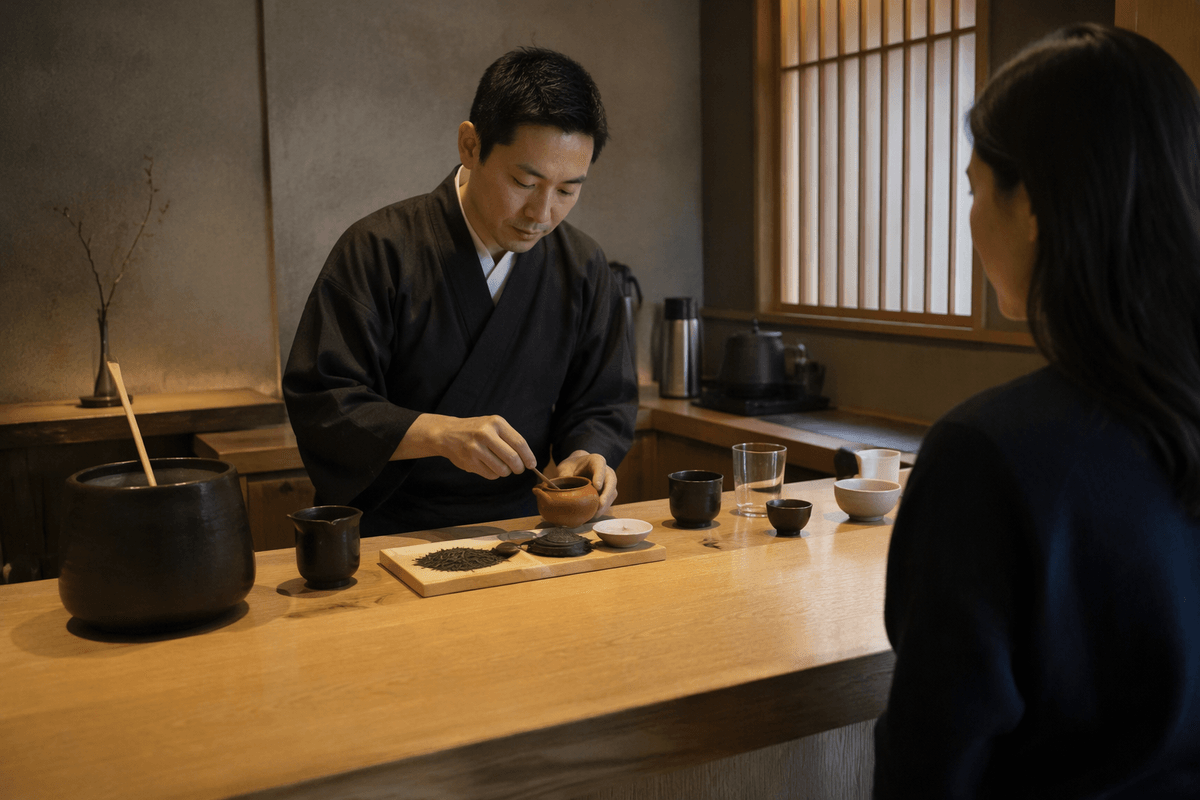
If your goal is authenticity without ceremony formality, aim for a counter-style tasting or a shop that will brew gyokuro/sencha to order. It takes longer (you’re committing 20–40 minutes and sometimes a seat limit), but you get controlled water temperature and steeping, which is where Uji actually shows off. Language is usually manageable with a menu, yet asking one specific question (“which is shade-grown?”) gets you further than trying to discuss terroir.
Save a full tea ceremony for when you have extra patience: it’s the most structured experience, but it’s also the least flexible if trains run late or you’re tired. For a calm half-day, I’d sequence it as tasting first, then sweets last—queues feel shorter when you’re not guarding a booking time.
Tea ceremony basics without anxiety
I almost skipped the ceremony the first time because I didn’t want to be the conspicuous foreigner kneeling wrong, but Uji ceremonies are usually more forgiving than the idea of “tea rules” suggests. The part that trips people up isn’t etiquette—it’s pace. If you’re arriving on a tight train schedule, a ceremony can feel stressful because you can’t speed it up once you sit down.
What helps is choosing a format you can actually sustain: a short, seated (often chair-friendly) demonstration is calmer than a full formal session, and you still learn what matters—why the bowl is warmed, why the matcha is whisked the way it is, and how the sweets are timed to soften bitterness. Don’t overthink the gestures; watch the person next to you and copy quietly. If language feels like a barrier, it’s still worth it as long as you’ve done one brewed-tea tasting first—otherwise the ceremony risks becoming a photo opportunity with no reference point for flavor.
Where to taste: matcha, gyokuro, sencha
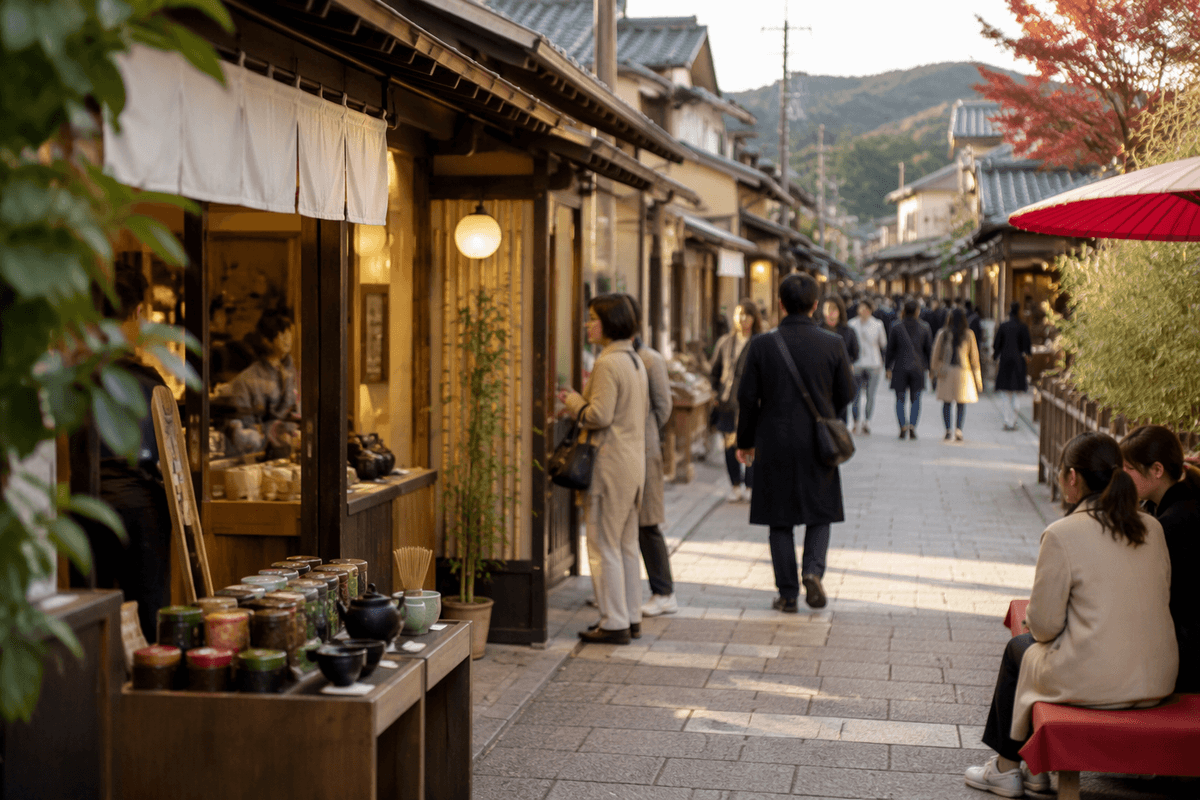
The first time I tried to “sample everything,” I wasted 30 minutes ping-ponging between riverfront cafés with long dessert lines and shops that only sell tins. What worked better was treating Uji’s main street (Byōdō-in Omotesandō) like a tasting corridor: pick one place that will brew to order, commit to a seat, and let the rest be browsing.
For matcha, I’d prioritize a simple bowl over parfaits if you’re here for leaf quality—dessert cafés move faster, but sugar disguises whether the matcha is actually good. For gyokuro, choose a shop that explicitly serves it by the pot; it’s slower and often pricier than you expect, yet it’s the clearest “Uji difference” when brewed carefully (and the easiest to ruin if a place is rushing).
Sencha is the flexible slot: it’s usually quicker, cheaper, and a good fallback if you arrive late and counters are full. If menus feel intimidating, point to “gyokuro” or “sencha” and ask for “おすすめ (osusume)”—you’ll get a workable recommendation without needing a long conversation.
What to buy, and how to store it
I hesitated in front of the tea wall because the smallest tins can look “premium” even when they’re just packaged for fast souvenir decisions. If you only buy one thing, make it a small (20–40g) matcha tin for home whisking or a gyokuro packet you can brew carefully—both show Uji’s strengths, but both punish sloppy storage. I’d skip the oversized “gift can” unless you’re splitting it with someone; once opened, you’re racing oxidation and fridge odors more than you’re enjoying value.
For a solo traveler on a mid-range budget, the sweet spot is: one daily-drinker sencha (for easy cups) plus one “slow” tea (gyokuro or higher-grade sencha) you reserve for a quiet morning. Ask for packaging dates if they’re visible; if not, choose shops that move volume and store tins away from window light. Storage is simple but strict: keep tea sealed, cool, dark, and dry, and don’t refrigerate unless it’s unopened and you can prevent condensation. Once you crack a tin, treat it like fresh food—finish matcha within a few weeks, and keep everything away from curry, coffee, and incense.
Leave Uji with a personal tea ritual
On the ride back to Kyoto, I stopped trying to “remember everything I learned” and picked one repeatable move: one quiet cup at home, done the same way each time. The constraint is real—weeknights get sloppy, and fancy gear becomes clutter fast—so I kept it small: a dedicated minute, a consistent water temp you can hit without a thermometer, and one tea you won’t resent using.
If you only take one habit from Uji, make it a two-tier routine: sencha when you’re rushed, the slower tea when you’re not. It keeps your good tin from getting burned through on distracted mornings, and it makes Uji feel like something you practice, not just something you bought.