Food Can Help Symptoms Without Treating Crohn’s
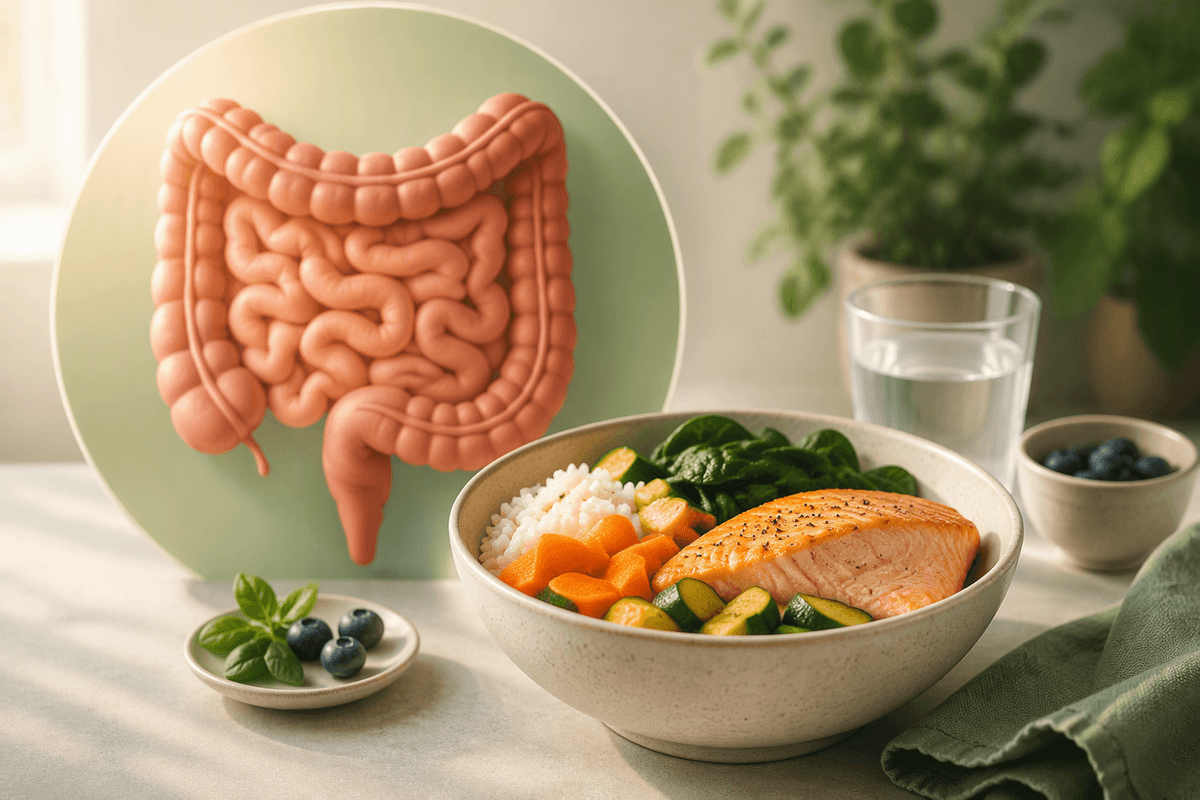
After a meal, it can be tempting to treat symptom relief as proof that a food is helping Crohn’s itself. A smaller portion, softer texture, or lower-fiber choice may reduce cramping, urgency, or bloating for a while, especially when the gut feels more sensitive. That practical benefit can make eating feel less stressful and help preserve energy when appetite is limited.
Still, feeling better after changing a meal does not necessarily mean inflammation or disease activity has changed. Symptoms may also shift because less food was eaten, hydration improved, or a difficult-to-tolerate ingredient was avoided. The reverse can happen too: a familiar food may cause discomfort during a flare without being the underlying cause. Food choices can support comfort and intake, but recurring symptoms, reduced appetite, weight changes, or ongoing fatigue may reflect needs that meals alone cannot address.
Why the Same Meal Affects People Differently
The same plate can feel manageable one day and uncomfortable the next, which can make food reactions seem unpredictable. Disease activity is one reason, but it is not the only one. Meal size, eating speed, fiber content, hydration, stress, and how much was eaten earlier can all influence what happens afterward. A food that is usually tolerated may feel different when the gut is already sensitive or when intake has been low for several days.
That makes it difficult to identify one ingredient as the clear cause of every symptom. Cramping or urgency after a meal may reflect the portion, the combination of foods, or the timing rather than a single item. Reduced intake can also leave someone tired or lightheaded, adding symptoms that may be blamed on the meal itself. Looking for patterns across several meals is often more useful than judging one reaction in isolation, although inconsistent symptoms can still make those patterns hard to interpret.
Active Flares Change What Feels Tolerable
When a flare becomes more active, foods that usually fit comfortably may suddenly feel too heavy, rough, or difficult to manage. Larger meals can bring stronger urgency or cramping, while high-fiber foods may seem harder to tolerate when the gut is already irritated. Even the smell, temperature, or texture of food can affect appetite when nausea, pain, or frequent bathroom trips are taking up attention.
This change does not always mean the food has become permanently unsuitable. Tolerance may narrow because eating has become less regular, portions have increased after missed meals, or fluid losses have made the body feel more depleted. Trying to force a usual diet can add discomfort, but removing many foods at once can also make it harder to meet energy and protein needs. The more useful question may be whether symptoms are appearing alongside a broader shift in appetite, bowel habits, hydration, weight, or daily energy. If that pattern continues, food reactions alone may not explain what is happening.
Restriction May Relieve Symptoms Then Create Problems

After a few uncomfortable meals, avoiding the suspected food can feel like the clearest way to regain control. Symptoms may ease when portions become smaller or several harder-to-tolerate foods are removed. That relief is real, but it can be difficult to tell whether it came from avoiding one ingredient, eating less overall, or simply giving the gut time to settle.
Over time, the list of avoided foods can quietly grow. Meals may become repetitive, appetite may drop, and there may be less energy, protein, or fluid coming in than the body needs. This can leave someone feeling weak or more tired, which may then be interpreted as another food reaction. Restriction can also make eating feel stressful, especially when symptoms remain despite careful choices. A short-term adjustment may be useful in some situations, but recurring symptoms, continued weight loss, or steadily shrinking food choices suggest that the pattern deserves a closer look rather than more exclusions. The goal is not to tolerate every food at all times, but to notice when avoiding foods is no longer protecting comfort or supporting adequate intake.
Personal Patterns Matter More Than Generic Food Lists
A food list can look reassuring until it meets real life. One person may notice discomfort after raw vegetables, while another reacts more to large portions, rich sauces, or eating quickly. Even within the same person, tolerance can change with disease activity, stress, hydration, sleep, or how regularly meals have been taken. A reaction after one dinner therefore may be useful to notice, but it is not always enough to label that food as a lasting problem.
More useful patterns often appear across several occasions. It can help to observe what was eaten, how much, when symptoms began, and whether appetite, bowel habits, energy, or fluid intake were also changing. This may reveal that a suspected food is manageable in a smaller portion or different form, while the broader issue is reduced intake or a developing flare. Tracking can still be imperfect and may become tiring, especially when symptoms are inconsistent. Generic lists may offer ideas, but personal patterns usually provide better guidance about what supports comfortable eating without narrowing the diet unnecessarily.
Nutrition Goals Shift Between Flares And Remission
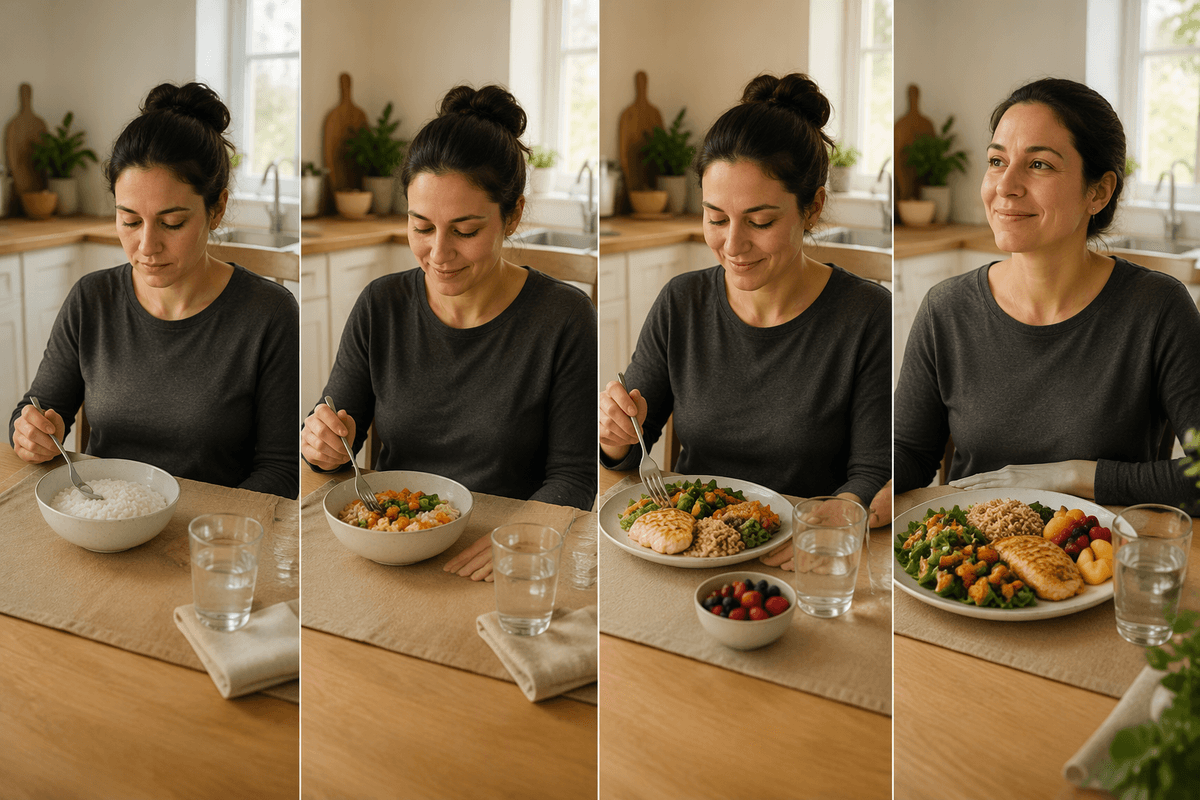
When symptoms settle, eating may gradually become less about finding the least irritating option and more about rebuilding a dependable routine. Larger portions, a wider range of foods, and enough protein, calories, fluids, and fiber may become easier to manage, depending on personal tolerance. During a flare, the immediate priority may instead be maintaining intake with smaller, simpler meals and avoiding choices that clearly worsen discomfort. That shift can feel confusing when a food tolerated in remission suddenly seems difficult.
Nutrition needs can also remain important after symptoms improve. Ongoing fatigue, unintended weight change, low appetite, or meals that stay unusually limited may suggest that intake has not fully caught up, even if bowel symptoms are quieter. It is easy to judge progress only by whether a particular food causes pain or urgency, while overlooking the broader pattern of how much is being eaten and how consistently. Tolerance may expand slowly rather than return all at once, and forcing changes too quickly can create discomfort or discouragement. The useful comparison is often not one “safe” meal, but whether eating is supporting energy and recovery across ordinary days.
When Food Questions Need Clinical Support
A meal that suddenly causes discomfort can be easy to focus on, especially when the reaction feels immediate. Clinical support becomes more important when symptoms keep returning, eating becomes increasingly limited, appetite stays low, or changes in weight, hydration, energy, or bowel habits continue alongside food concerns. Those patterns may reflect more than one difficult ingredient, and trying to solve them through repeated restriction can make the situation harder to interpret.
A gastroenterologist, dietitian, or other member of the care team can help separate short-term tolerance changes from broader concerns about disease activity, intake, or nutrition. This does not mean every food reaction requires urgent evaluation, and personal observations may still be useful. However, persistent vomiting, inability to maintain fluids, severe or worsening pain, significant bleeding, or marked weakness warrants prompt medical attention. Food choices can support day-to-day comfort, but ongoing changes in how someone eats may be a sign that the larger pattern deserves professional review.