What “Leaky Gut” Usually Means in Practice
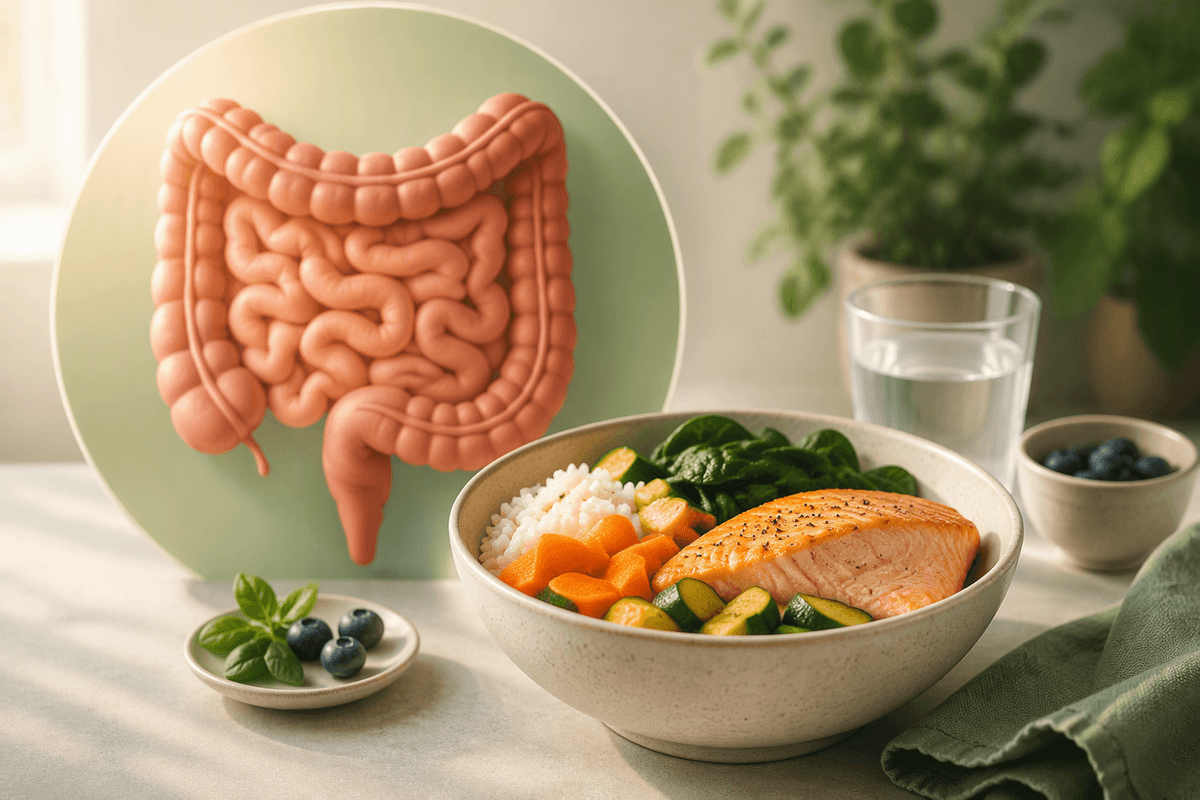
You notice your abdomen feels tight after meals, your bowel habits are less predictable, or certain foods seem to bring on discomfort. It is understandable to connect these changes with “leaky gut,” but the phrase is often used more broadly than the evidence allows. The gut barrier is a real part of digestion, yet symptoms alone cannot show that it has become unusually permeable.
In practice, bloating and bowel changes can reflect the combined effects of fiber, alcohol, stress, illness, meal size, sleep, and individual sensitivities. These influences also shift over time, which makes one suspected food difficult to identify with confidence. A meal that feels better or worse may offer a useful clue, but it does not prove that it has repaired or harmed the barrier. No single food reliably “seals” the gut; a varied eating pattern that you tolerate may be more meaningful than a dramatic claim about one ingredient.
Why Certain Foods May Support the Gut Barrier
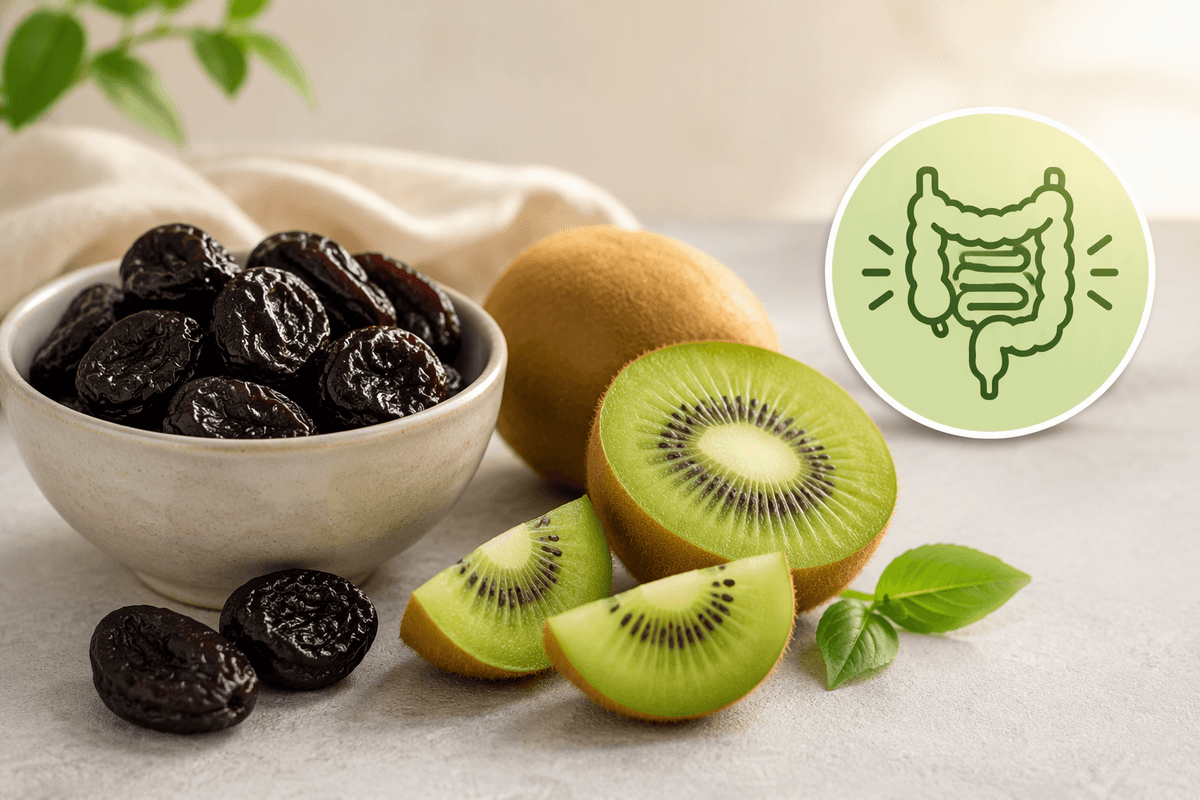
After a few calmer meals, it may seem that one ingredient has “fixed” the problem. More often, the effect comes from several features occurring together: enough fiber, a reasonable meal size, less alcohol, fewer highly processed foods, or simply a more regular routine. Foods such as vegetables, fruit, legumes, whole grains, nuts, and seeds can contribute nutrients and fermentable fibers that support the gut environment. Their value is usually cumulative rather than immediate.
That does not make every high-fiber choice helpful in every situation. A sudden increase can add gas, urgency, or discomfort, especially when someone is already sensitive or eating irregularly. Preparation also matters; cooked vegetables may feel easier than large raw salads, and a portion that works one day may not feel the same during illness or stress. Changes in comfort can guide observation, but they are not proof that a food has repaired the barrier. The more realistic question is whether a varied pattern remains tolerable over time.
Fiber-Rich Foods That Feed Helpful Gut Bacteria
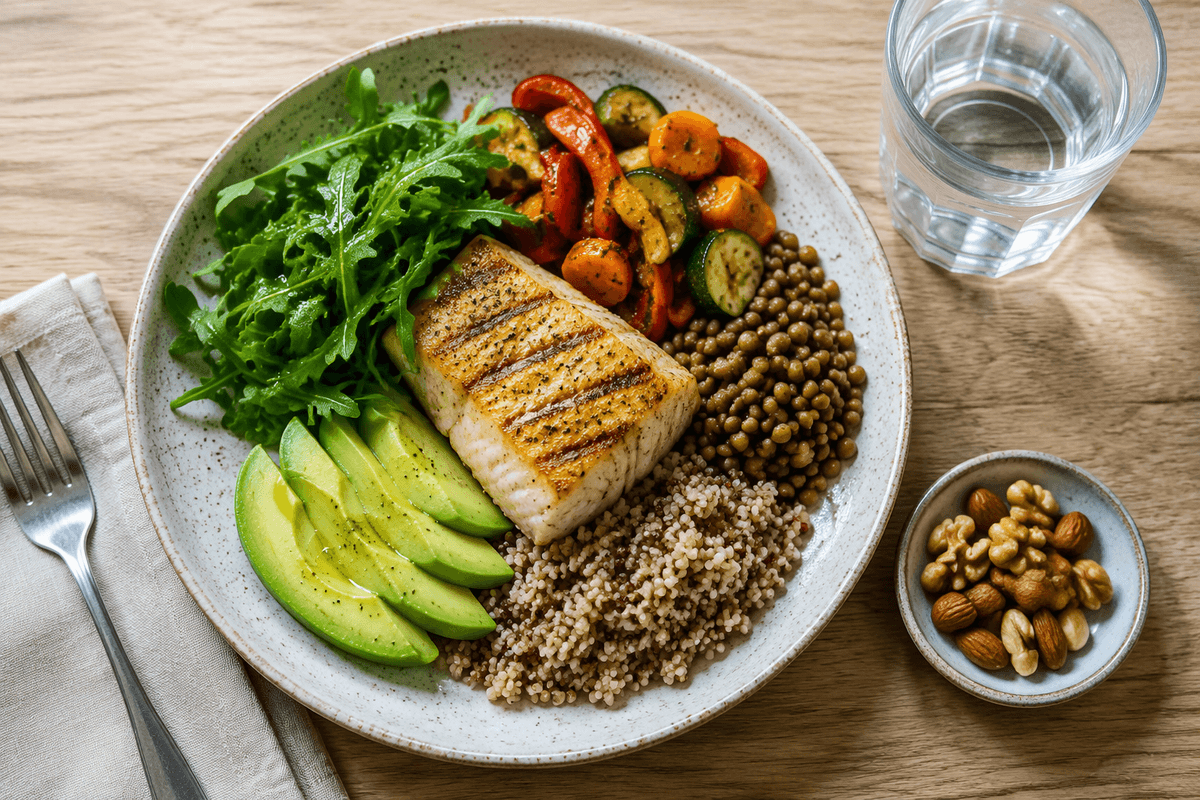
A bowl of oats, lentils, beans, fruit, or cooked vegetables may seem ordinary, but these foods provide fibers that the body does not fully digest. Some reach the colon, where gut bacteria ferment them and produce compounds that may help maintain the intestinal environment. This is one reason a varied fiber intake is often discussed alongside gut health. The effect is not usually noticeable after one meal, and it does not mean that a particular food will repair a damaged barrier.
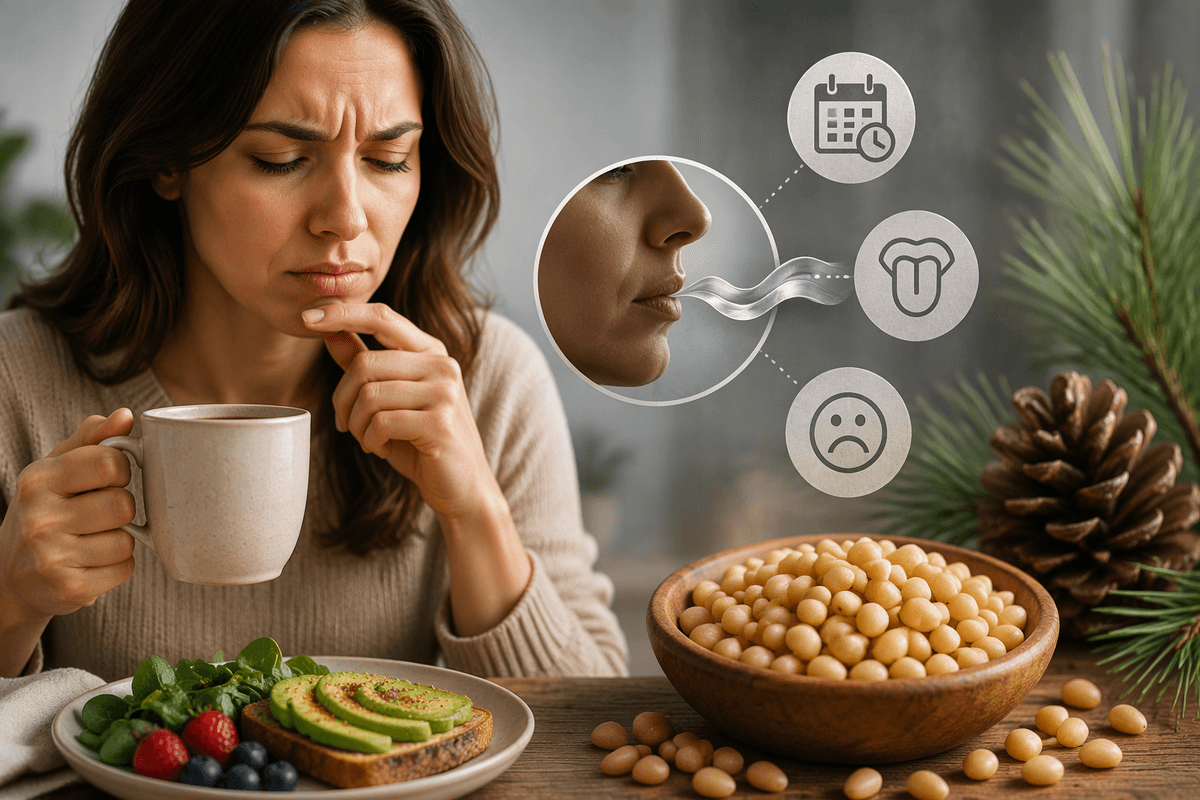
The helpful bacteria do not respond to fiber in exactly the same way for everyone. A large serving of beans may support regularity for one person but cause cramping or bloating for another, particularly when added suddenly. A gradual increase, smaller portions, and different preparation methods can make the pattern easier to assess. Changes in stool frequency, gas, or comfort may show that your intake is shifting, but those observations remain clues rather than proof of a specific bacterial change. What matters most is whether several fiber sources can fit comfortably into meals over time.
Fermented Foods Can Help, But Not Everyone
A spoonful of yogurt, kefir, sauerkraut, kimchi, or another fermented food may seem like an easy next step when gut health becomes a concern. These foods can provide live microorganisms or fermentation products, and some people notice steadier bowel habits or less discomfort when they include them regularly. The response is not guaranteed, though, and the food itself may matter as much as its fermentation. Yogurt may be tolerated while milk is not, whereas spicy kimchi, acidic vegetables, or carbonated kombucha may add discomfort for someone already prone to bloating.
Portion size and timing can also change the experience. Introducing several fermented foods at once makes it difficult to tell whether a change came from the microbes, added fiber, lactose, spices, or simply a larger meal. Some products are heat-treated after fermentation and may not contain live cultures, while others contain substantial sugar or salt. A gradual, single-food trial may provide a clearer impression, but even an improvement does not show that the gut barrier has been repaired. It may simply indicate that one tolerable food fits better within the person’s broader routine.
Healthy Fats And Protein In A Balanced Pattern
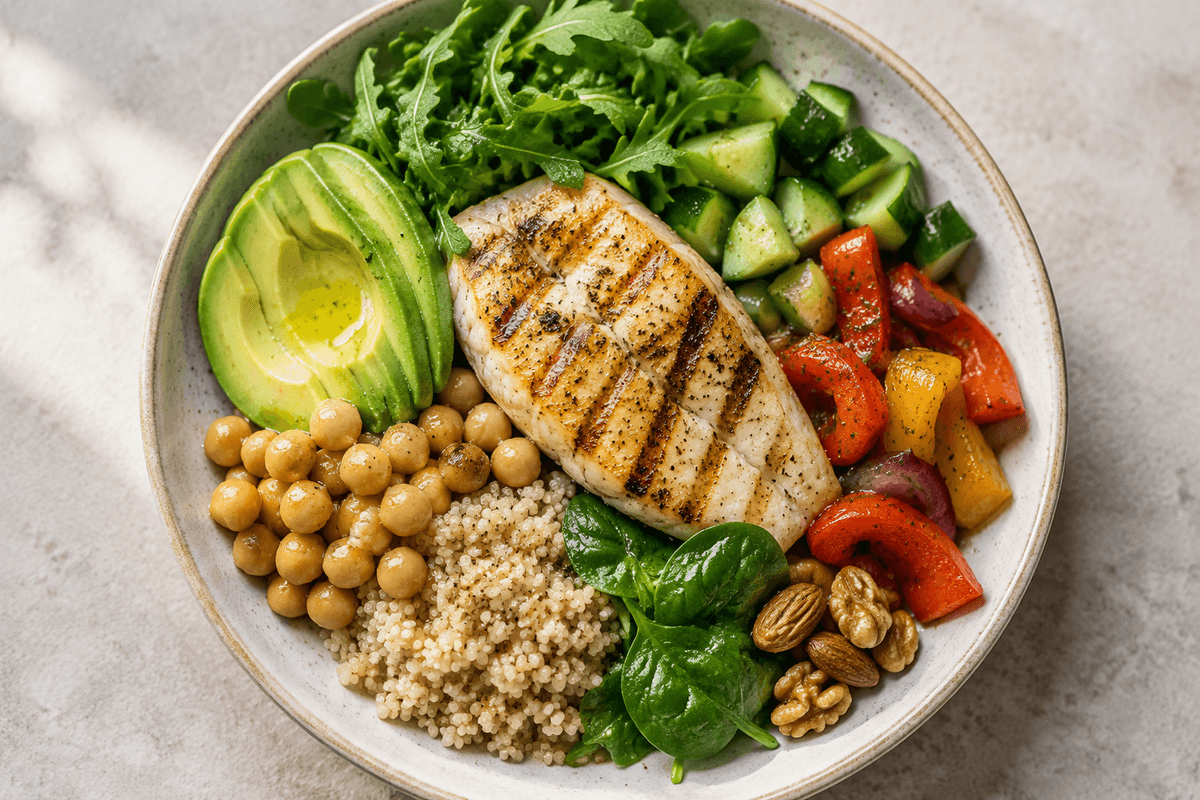
The meal with olive oil, avocado, nuts, fish, eggs, tofu, or poultry may feel more satisfying than one built mainly around refined carbohydrates. Healthy fats can add energy and flavor, while protein helps support fullness and provides building blocks for normal tissue maintenance. These foods may fit well within a varied pattern, but their presence does not mean they directly “seal” the gut. The overall meal still matters, including its fiber content, portion size, and how it is prepared.
Large amounts of fat can worsen heaviness, reflux, or loose stools for some people, and heavily seasoned or fried protein may be harder to tolerate than simpler preparations. High-protein eating can also reduce fiber variety if it crowds out beans, grains, fruit, or vegetables. Instead of treating one oil or protein source as protective, notice whether balanced meals remain comfortable and keep bowel patterns reasonably steady over time.
When Elimination Diets Create More Uncertainty
After reading that a food may trigger “leaky gut,” it can be tempting to remove several foods at once. The first few days may seem reassuring: bloating decreases, meals become simpler, and bowel changes feel easier to track. Yet this improvement can be difficult to interpret. Eliminating dairy, gluten, legumes, spices, or processed foods at the same time also changes fiber intake, meal size, alcohol exposure, and eating habits. The result may reflect the simpler routine rather than one harmful ingredient.
Strict restriction can create its own uncertainty, especially when symptoms return after foods are added back. A reaction may relate to portion size, preparation, stress, or the length of time a food was avoided rather than permanent intolerance. It may also make meals less varied and increase worry around eating. If you experiment, changing one factor at a time and noticing the broader routine can provide more useful clues than removing half the diet. Even then, symptom improvement does not prove that a specific food caused a gut-barrier problem; it only shows that the pattern changed.
Finding A Sustainable Pattern Beyond Individual Foods
After several rounds of adding and removing foods, the most useful pattern may be less dramatic than expected. Meals that include tolerable sources of fiber, adequate protein, some healthy fat, and enough fluid can provide a steadier baseline than relying on one “gut-healing” ingredient. Regular meal timing may matter as well, since long gaps, rushed eating, or unusually large portions can affect bloating and bowel habits independently of the food itself. The limitation is that even a well-balanced routine will not prevent every symptom; illness, stress, medication changes, and individual sensitivities can still alter how digestion feels.
Rather than treating each change as proof, look for patterns that repeat across several days or weeks. Note the meal, portion, preparation, sleep, stress, alcohol, and bowel response without trying to control everything at once. A food that seems problematic in one setting may be comfortable in another, while a gradual improvement may reflect the whole routine rather than a repaired barrier. This leaves some uncertainty, but it also reduces unnecessary restriction. The practical goal is not a perfect list of safe foods, but a varied pattern that remains workable, comfortable enough, and flexible over time.